
Communities for assisted living in Indiana build purpose through meaningful routines, shared responsibility, and daily opportunities to contribute. Purpose is created intentionally through engaging programs, social roles, and environments that keep residents active and connected.
A new resident moves in after years of managing a home, volunteering, or working full-time. The first days feel quiet. Then the calendar fills. Morning coffee turns into a standing table of friends. A gardening group needs extra hands. Someone suggests starting a card club. Within a week, the question is no longer "What now?" It becomes "What's next?"
Across Indiana, strong communities understand that fulfillment grows from participation. Purpose is not left to chance. It is built into everyday life in Kendallville, IN.
Why Is Routine Important for Seniors in Assisted Living?
Routine provides stability. When finding purpose in senior living, predictable daily rhythms reduce stress, strengthen confidence, and make each day feel manageable. When seniors know what to expect, they are more likely to participate, socialize, and maintain independence.
Consistent schedules support both mental and physical well-being. Regular meal times encourage better nutrition. Set activity blocks promote movement and cognitive stimulation. Structured mornings and evenings help regulate sleep patterns. Over time, repetition builds familiarity, and familiarity builds comfort.
Routine also creates natural social touchpoints. Morning coffee gatherings, afternoon classes, senior enrichment programs, and evening socials give residents reliable opportunities to connect. Those repeated interactions turn acquaintances into friendships.
Building Confidence While Finding Purpose in Senior Living
Confidence often returns before purpose fully takes shape. In assisted living, small successes rebuild trust in daily abilities. Completing a fitness class, navigating the dining room independently, or learning the weekly activity schedule can restore a sense of control.
Communities that focus on gradual engagement tend to see stronger outcomes. New residents are encouraged to try activities without pressure. Staff members introduce them to neighbors with shared interests. Familiar routines begin to replace uncertainty. As comfort grows, participation becomes voluntary rather than hesitant.
Purpose strengthens when seniors recognize that their contributions matter. Leading a discussion group, helping welcome new residents, or assisting with event preparation reinforces capability. These roles reflect real involvement in shaping community life.
Physical wellness also plays a role. Improved balance, better sleep, and consistent nutrition support clearer thinking and steady energy. When residents feel physically stable, they are more likely to explore new interests and reconnect with old passions.
Socializing in Assisted Living: Purposeful Activities
Social connection is one of the strongest drivers of purpose in assisted living. Casual conversation is valuable, but communities that build meaning go further by pairing social time with shared goals. Activities are designed so residents are not just present, they are participating together.
Purposeful social programming often centers on collaboration.
- Group art projects
- Cooking demonstrations
- Book discussions
- Trivia teams
Create natural teamwork. Residents exchange ideas, share stories, and celebrate small wins as a group. That sense of collective effort turns acquaintances into genuine friendships.
Interest-based clubs add another layer of connection.
- Card groups
- Walking clubs
- Gardening circles
- Music appreciation gatherings
- Faith discussions
Bring together residents with common passions. Familiar themes reduce social pressure and give conversations an easy starting point.
Community Involvement Seniors Indiana: Creating Meaningful Retirement Roles
Retirement does not erase identity. In strong assisted living communities across Indiana, residents are encouraged to step into roles that reflect who they have always been. Purpose grows when experience is recognized and put to use.
Meaningful roles often emerge naturally. A former teacher may lead a weekly discussion group. Someone with a background in finance could assist with planning a resident fundraiser. These contributions reinforce capability and respect.
Communities that prioritize purpose intentionally look for strengths. Staff members learn residents' histories during onboarding and match them with opportunities to participate. Leadership does not have to be formal. Greeting new neighbors at dinner, coordinating a card tournament, or helping decorate for seasonal events all carry weight.
These retirement roles create momentum. Residents wake up knowing they have something to prepare for and people who rely on them. That sense of responsibility fosters confidence and belonging.
FAQs
How Do You Choose the Right Senior Living Community?
Start with care needs. The right community must support mobility and daily assistance without overcomplicating life. Ask how care plans are created and adjusted over time.
Then look at lifestyle. Visit during a busy part of the day. Are residents engaged? Does the atmosphere feel welcoming and active?
Pay attention to:
- Staff attentiveness and communication
- Cleanliness and overall energy
- Dining options and flexibility
- Apartment size and layout
- Safety features throughout the building
Location counts. Staying close to family, doctors, and familiar surroundings makes transitions smoother.
How Do You Know It's Time To Move Into Senior Living?
It may be time to explore senior living when daily routines start feeling overwhelming, unsafe, or isolating. The shift is usually gradual, not sudden.
Common signs include:
- Missed medications or appointments
- Frequent falls or mobility concerns
- Trouble keeping up with housekeeping
- Unpaid bills or unopened mail
- Noticeable weight loss or poor eating habits
Emotional changes matter too. Withdrawing from friends, losing interest in hobbies, or expressing loneliness often signals a need for more connection.
How Can Seniors Downsize for Assisted Living?
Downsizing for assisted living is about simplifying with intention, not giving everything away. The focus should be on keeping what supports daily comfort and meaningful memories while letting go of excess.
Start with the floor plan of the new apartment. Measure furniture. Confirm storage space. That clarity prevents overpacking. Then sort belongings into clear categories:
- Keep for the new space
- Pass down to family
- Donate locally
- Sell valuable items
- Recycle or discard
Work in short sessions to avoid burnout. Begin with low-emotion areas like storage closets before tackling sentimental pieces.
Assisted Living in Indiana: Jump In Today
Assisted living in Indiana can be a great option for helping seniors build purpose.
Purpose thrives where care, comfort, and connection come together.
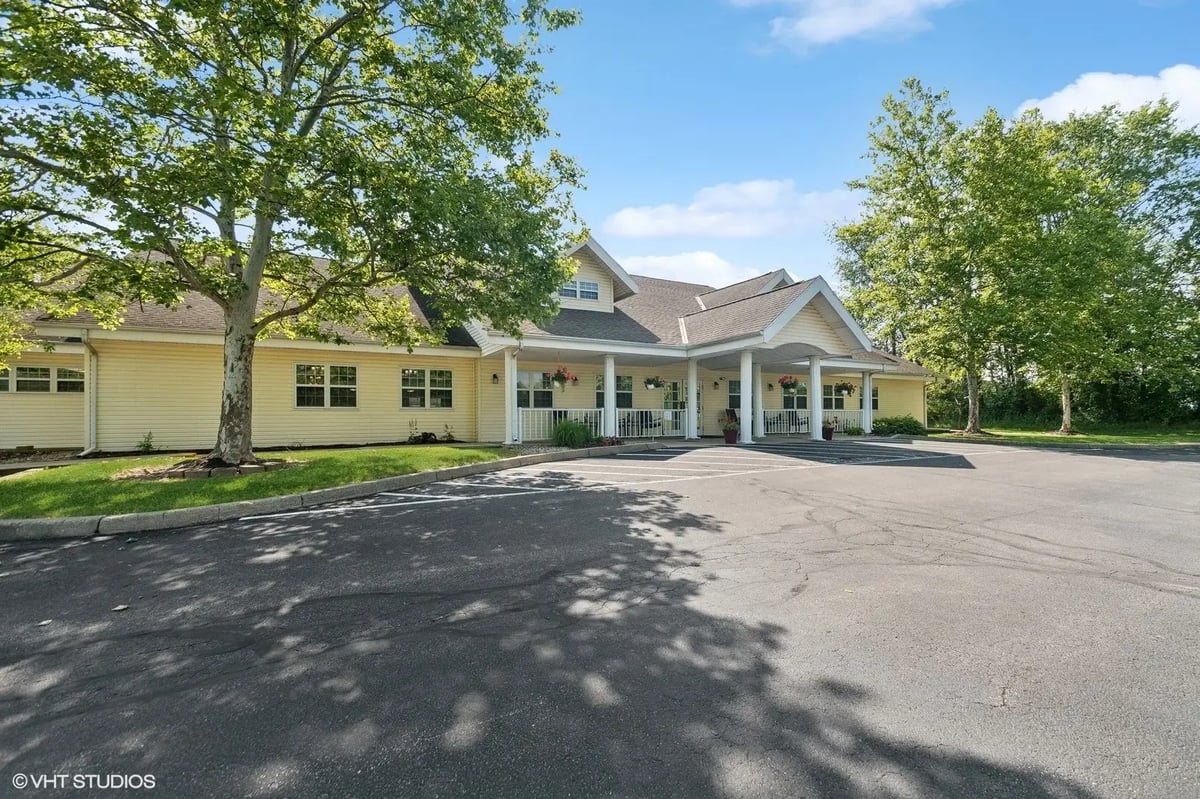
At Chandler Place in Kendallville, residents enjoy personalized care plans, engaging daily activities, scheduled outings, and inviting courtyard gatherings that turn ordinary days into meaningful experiences. With private studio and one-bedroom apartments, convenient amenities, and a warm, lively atmosphere, our community is designed to help residents stay active, involved, and supported.
Schedule a tour today to explore floor plans, pricing, and the lifestyle waiting at Chandler Place Assisted Living.