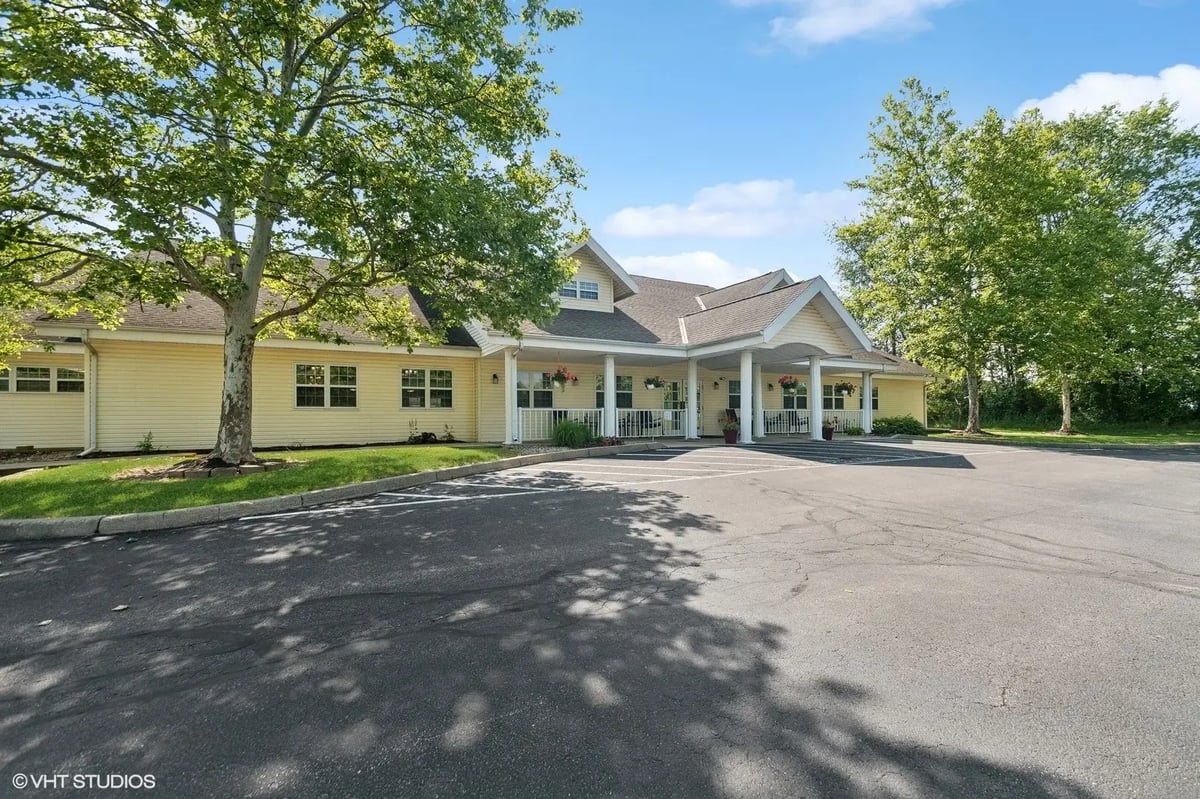

For families exploring gentle ways to support focus and senior brain recovery, daily structure can make life feel calmer and more manageable. In Chandler Place Assisted Living, consistent rhythms and engaging activities encourage steady progress, confidence, and ongoing mental stimulation for seniors.
Kendallville, Indiana, is a close-knit community in Noble County with a steady workforce and a mix of families and older adults who value a simple, connected way of life. Many local seniors want support that feels personal and easy to navigate. Daily routines can help create that comfort.
A busy mind can feel scattered after stress or major life changes. Focus may take longer. Memory can feel slower.
Daily routines help reduce mental strain. Predictable patterns lower decision fatigue.
Meaningful activity keeps the brain engaged. Gentle wellness habits support emotional balance.
A supportive assisted living community helps residents build steady days without pressure. Encouragement, reminders, and consistent support can help seniors stay more focused and confident.
Why Do Daily Routines Matter for Brain Recovery and Focus?
Brain recovery often depends on consistency. The brain responds well to repeated cues. Regular sleep, meals, movement, and social connection can support clearer thinking.
A routine also creates structure when life feels unpredictable. Seniors often feel more relaxed when the day follows a familiar rhythm.
Daily habits can support:
- Better attention and task completion
- Lower stress and mental overload
- Improved mood and motivation
- Stronger confidence in daily life
How Do Seniors Stay Mentally Sharp Every Day?
Seniors stay mentally sharp through daily learning, conversation, movement, and purposeful activity. The brain responds well to variety, but it also needs repetition.
Helpful daily habits include:
- Reading a short article or devotional
- Joining a group discussion or activity
- Doing a word game or a card game
- Taking a short walk or stretching
- Practicing gratitude or journaling
Many seniors also benefit from creative activities. Music, art, and storytelling can activate memory and strengthen emotional well-being.
Core Brain Health Routines That Feel Gentle and Realistic
Residents in assisted living often do best with routines that feel achievable. A strong day includes:
- Supportive cues
- Simple structure
- Enjoyable activities
Morning Routines That Support Focus
Morning habits can set the tone for the day. A calm start reduces stress. A rushed start can increase confusion.
Helpful morning habits include:
- Waking up at a similar time each day
- Drinking water with breakfast
- Sitting near natural light
- Taking slow, deep breaths
- Doing a short stretch routine
Some people benefit from a short "brain warm-up." A quick word puzzle, simple conversation, or music can help the mind feel alert.
Consistent routines provide cognitive support in aging by reducing confusion and helping residents stay oriented to the day.
Midday Habits That Support Energy and Attention
Many seniors experience afternoon fatigue. Midday routines can help maintain steady energy.
Helpful midday habits include:
- Balanced meals at consistent times
- Social dining for conversation
- Light movement after lunch
- Brain-friendly activities that feel fun
Evening Routines That Support Rest and Reset
Sleep supports memory, attention, and emotional balance. Evening routines help the brain slow down.
Helpful evening habits include:
- Lowering noise and screen time
- Keeping lights softer
- Enjoying quiet conversation
- Listening to calming music
- Practicing gratitude or prayer
How Assisted Living Supports Lifelong Mental Engagement
Assisted living can support daily rhythms through reminders, encouragement, and engaging programs. Seniors often feel less overwhelmed when support is available.
A community setting can help with:
- Regular mealtimes and hydration reminders
- Organized daily schedules
- Friendly social opportunities
- Routine-building support for daily tasks
Brain-Boosting Activities That Keep Seniors Engaged
Activities help keep the mind active. The best programs feel enjoyable and social.
Many seniors enjoy:
- Card games and board games
- Group sing-alongs and music visits
- Light fitness and movement classes
- Seasonal courtyard time and fresh air
- Storytelling and group conversation
These programs support mental stimulation for seniors while also encouraging friendship and emotional support.
Building Brain Health Routines Without Pressure
Routine building should feel supportive. Too many changes at once can feel stressful.
A better approach includes:
- Starting with one habit at a time
- Keeping goals simple and realistic
- Celebrating small wins
- Staying consistent, even on low-energy days
Supportive Wellness Habits for Aging Adults
Daily wellness routines support both mind and body. These habits can help improve focus and emotional balance.
Helpful habits include:
- Drinking enough water
- Eating balanced meals
- Getting gentle daily movement
- Practicing deep breathing
- Staying socially connected
Frequently Asked Questions
Can Daily Routines Really Support Senior Brain Recovery?
Yes, daily routines can support senior brain recovery by lowering stress, reducing mental overload, and creating predictable cues the brain can follow. Consistent habits help seniors conserve energy for the tasks that matter most. Many older adults feel more confident when mornings, meals, and activities happen in a steady pattern.
What Types of Activities Help With Brain Health Routines in Assisted Living?
Activities that support brain health routines often include games, conversation, music, and light movement. The best options feel enjoyable and social.
Card games and board games can support problem-solving and memory skills. Group programs can also encourage language and communication.
Creative activities help too. Singing, storytelling, and simple art projects can support emotional wellness and mental engagement. Many seniors also enjoy seasonal outdoor time, which supports mood and energy.
How Does Assisted Living Support Cognitive Support in Aging Without Feeling Clinical?
Assisted living support can feel natural and home-like when routines are built around personal preferences. Daily reminders and gentle guidance can help seniors stay organized without pressure. A community environment also creates regular social connections, which support emotional balance.
Support often includes help with:
- Daily tasks
- Medication management assistance
- Encouragement to join activities
Schedule a Tour of Chandler Place Assisted Living in Kendallville
Choosing a senior living community often starts with one goal, which is helping a loved one feel steady, supported, and engaged each day.
Chandler Place Assisted Living in Kendallville encourages gentle routines, meaningful connections, and daily activities that support focus and lifelong mental engagement. Residents receive compassionate, personalized support designed around individual needs and preferences. Daily life includes uplifting opportunities like games, fitness activities, sing-alongs with visiting piano players, and relaxing courtyard moments when the weather allows.
Schedule a tour today to explore our community and see how daily routines can support assisted living wellness for your loved one.