.jpg?width=960&length=960&name=Affectionate-senior-couple-at%20(3).jpg)
Long-term relationships in your 70s focus on different things than one in your 20s, like companionship over chemistry, and focus on navigating health changes over time.
A strong marriage in your 70s and beyond often looks very different from one in earlier decades, and that's not a weakness. It's a sign of depth, resilience, and shared history.
According to Census.gov, among those ages 60 to 69 years, 46% of men and 39% of women are still married to the first and only person they wed.
By this stage of life, couples have weathered careers, parenthood, losses, health changes, and countless transitions. What remains is not just romance, but a partnership shaped by decades of choice, care, and commitment.
Rather than grand gestures, strength in senior companionship in Kendallville, Indiana, is usually found in quiet, consistent moments. Here's some marriage advice for seniors.
Companionship Over Chemistry
While attraction and affection still matter, couples in their 70s often describe companionship as the cornerstone of their relationship. A strong marriage at this stage is built on genuinely enjoying each other's presence.
This can look like:
- Sharing morning routines and daily rituals
- Enjoying comfortable silence together
- Laughing over shared memories
The pressure to impress fades, replaced by ease and familiarity. Being fully yourself and being accepted as you are is a hallmark of marital strength later in life.
Mutual Respect Deepened by Time
Respect in long-term marriages is often hard-earned. Couples who remain strong into their 70s have learned how to disagree without demeaning and how to honor differences without resentment.
This respect shows up as:
- Active listening without trying to "fix" everything
- Valuing each other's opinions and autonomy
- Acknowledging contributions made over a lifetime
Rather than keeping score, strong couples recognize that balance shifts over time-and that mutual support matters more than equality in every moment.
Navigating Health Changes Together
One of the most defining aspects of marriage in later life is how couples face health challenges. Chronic conditions, mobility changes, or cognitive shifts can test even the strongest bonds.
In a strong marriage, partners:
- Advocate for each other in medical settings
- Offer patience and reassurance during difficult days
- Adapt roles as needed without resentment
This phase brings the vow "in sickness and in health" into sharp focus. Strength isn't found in perfection, but in showing up, day after day, with compassion.
Emotional Safety and Trust
After decades together, strong marriages provide a sense of emotional refuge. Partners know they can be vulnerable without fear of judgment.
This emotional safety includes:
- Openly discussing fears about aging or loss
- Trusting each other with sensitive decisions
- Feeling secure even during uncertainty
In later life, emotional intimacy often deepens as couples rely on each other more fully.
Shared History as a Source of Strength
Few things bond people like shared experience. Couples in their 70s carry decades of memories, both joyful and painful, that shape their connection.
A strong marriage draws strength from:
- Remembering hardships overcome together
- Celebrating family milestones and traditions
- Honoring the journey they've shared
This history creates a sense of "us" that is difficult to shake, even during challenging seasons.
Adaptability and Letting Go
Strong marriages in later life are flexible. Couples learn that clinging to how things "used to be" can cause unnecessary frustration. Instead, they adapt.
Adaptability may involve:
- Adjusting expectations around energy and pace
- Redefining roles as abilities change
- Letting go of minor irritations
Couples who thrive later in life focus less on control and more on acceptance.
Intentional Time Together
With children grown and careers winding down, couples often have more time together than ever before. Strong marriages make intentional use of that time.
This can include:
- Traveling at a comfortable pace
- Exploring shared hobbies
- Volunteering or engaging in community activities
Purposeful togetherness helps prevent emotional distance and keeps the relationship vibrant.
Maintaining Individual Identity
While closeness is important, strong marriages also respect individuality. Partners encourage each other to maintain friendships, interests, and personal routines.
This balance:
- Prevents emotional dependence
- Supports mental well-being
- Keeps the relationship fresh
Strong couples understand that togetherness is healthiest when both individuals feel fulfilled.
Facing Aging With Humor and Grace
Laughter becomes an essential tool in later-life marriage. Strong couples use humor to cope with change, ease tension, and stay connected.
Whether joking about forgetfulness or adapting to physical changes, humor helps couples:
- Reduce stress
- Maintain perspective
- Strengthen emotional connection while aging
Grace, toward each other and themselves, allows love after retirement to endure despite imperfection.
A Deeper Appreciation for Time
In the later decades of life, time feels more precious. Strong marriages reflect this awareness through gratitude and presence.
Couples often:
- Focus on today rather than distant plans
- Express appreciation more openly
- Value simple moments together
This mindset transforms ordinary days into meaningful ones.
Frequently Asked Questions
What Makes A Marriage Stronger Later In Life?
A strong later-life marriage is built on companionship, mutual respect, emotional safety, and adaptability. Long-term commitment and shared history play a major role.
Is It Normal For Romance To Change In Your 70s?
Yes. Romance often shifts from physical intensity to emotional closeness, trust, and deep companionship. This evolution is natural and healthy.
How Do Couples Handle Health Challenges Together?
Strong couples communicate openly, support each other during medical decisions, and adjust roles as needed. Patience and teamwork are essential.
Can A Marriage Still Grow After Decades Together?
Absolutely. Many couples find that emotional intimacy deepens later in life as they spend more time together and reflect on their shared journey.
How Important Is Independence In Later-Life Marriage?
Independence remains important. Maintaining personal interests and friendships supports mental health and strengthens relationships.
A Strong Marriage Needs A Deep Emotional Connection
A strong marriage in your 70s and beyond isn't defined by constant happiness or flawless health. It's defined by companionship, adaptability, trust, and a shared commitment to face life as a team.
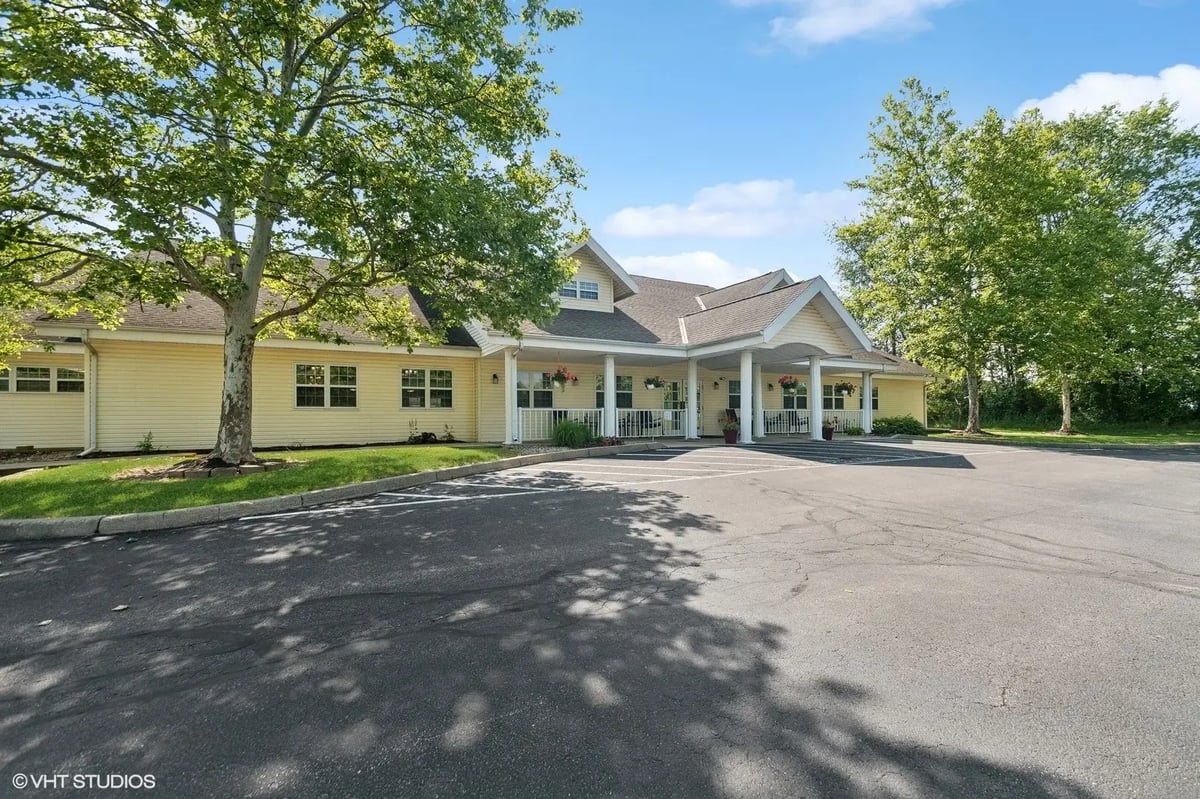
If you need more people on your team to build your relationship even further, consider Chandler Place Assisted Living. Our team builds individual care plans to ensure every resident is well taken care of, depending on their specific needs.
We also have fun activities like card and board games, fitness activities, and sing-alongs with visiting piano players. Schedule a tour to see all of it in action.