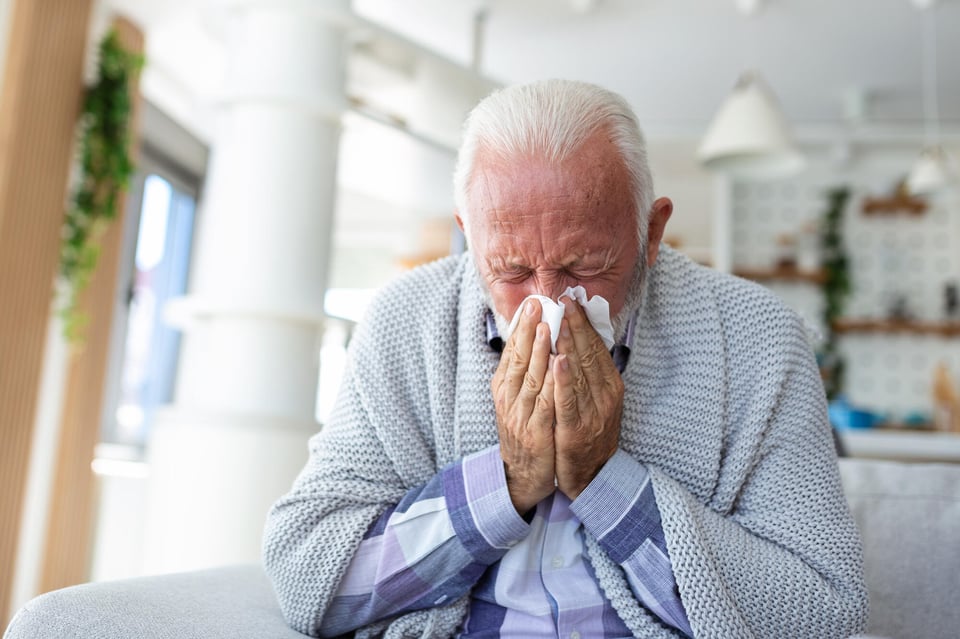
How long do spring allergies last in Indiana? Most older adults experience symptoms from March through June. For many seniors, flare-ups can persist for six to twelve weeks, depending on pollen levels and underlying health conditions.
A 2024 CDC report reveals that approximately 25.5% of adults aged 65 to 74 were diagnosed with a seasonal allergy. If you are among them or suspect you might be, tracking local pollen levels can help reduce exposure. Understanding the timing and triggers of spring allergies can help you stay comfortable.
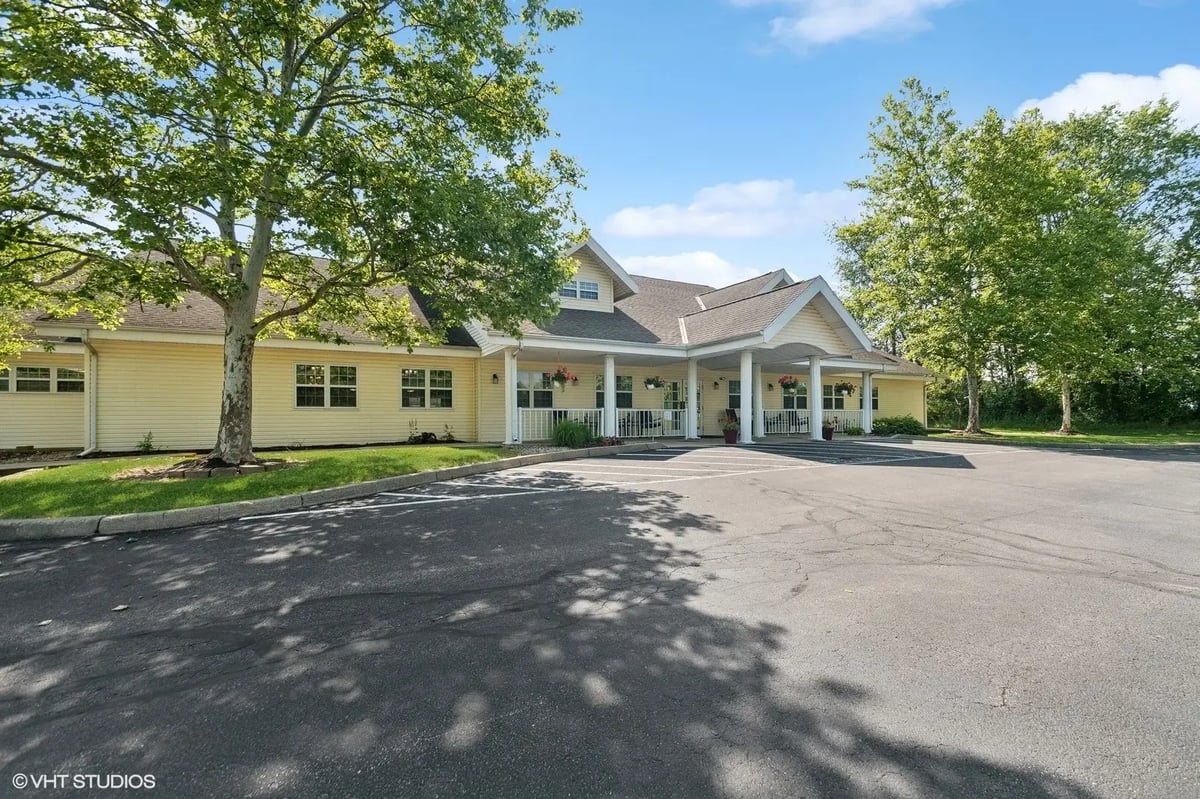
At Chandler Place in Kendallville, IN, we provide safe and comfortable spaces for seniors to enjoy the outdoors. Our team supports your wellness and helps you manage seasonal allergies effectively.
What Causes Spring Allergies in Older Adults?
Spring allergies occur when your immune system reacts to airborne pollen. In Indiana, common triggers include:
- Oak and maple pollen
- Birch and elm pollen
- Early grass pollen
These microscopic particles travel easily on dry, windy days. When inhaled, your body releases histamine, which causes congestion, watery eyes, and sinus pressure.
Understanding the Indiana Pollen Season Timeline
Indiana's spring pollen season follows a general pattern, but it shifts based on weather. Knowing the timeline helps you anticipate symptoms instead of reacting to them. Typical seasonal phases include:
- Tree pollen in early spring
- Grass pollen in late spring
- Mold increases after rainfall
Warm winters can push pollen earlier into the year. Windy days raise airborne pollen levels, while rain may offer short relief followed by mold growth.
Tracking the Indiana pollen season timeline helps you plan outdoor activities safely. It also allows you to reduce exposure without staying indoors all season.
Why Allergy Symptoms Often Last Longer: Understanding Allergy Duration in Seniors
Allergy symptoms do not always end when pollen counts drop. For older adults, inflammation can linger in nasal passages and airways, causing symptoms to fade slowly. Factors that influence allergy duration in seniors include:
- Slower immune response
- Chronic respiratory conditions
- Medication side effects
Conditions such as asthma and COPD can intensify reactions. Some medications dry nasal tissues, increasing irritation.
This explains why seniors may experience lingering congestion, fatigue, or sinus pressure for weeks after peak pollen has passed. Understanding this pattern helps you avoid unnecessary worry and focus on gradual recovery.
Practical Ways of Managing Spring Allergies Day to Day
Managing allergies is most effective when you limit exposure before symptoms escalate. Helpful strategies include:
- Monitoring pollen forecasts
- Changing clothes after outdoor time
- Using indoor air filtration
Keeping windows closed on high pollen days reduces indoor exposure. Showering after being outside removes pollen from skin and hair. HEPA filters help trap airborne particles indoors.
When medication is needed, consult your healthcare provider to avoid interactions with existing prescriptions. Balanced routines support long-term comfort when managing spring allergies.
Protecting Senior Wellness Outdoors During Allergy Season
Avoiding outdoor activity completely can affect your balance, circulation, and overall mood. Moving safely outside helps maintain both physical and mental wellness. Safer outdoor practices include:
- Walking later in the day
- Choosing paved paths
- Wearing eye protection
Pollen levels are often lower in the afternoon. Walking or staying on paved paths can reduce contact with grass pollen. Sunglasses help protect your eyes from irritation.
Supporting senior wellness outdoors means adjusting when and how you spend time outside. You can enjoy fresh air and exercise without triggering your allergy symptoms.
When Seasonal Allergy Symptoms in Older Adults Need Medical Attention
Some symptoms should not be managed alone. Ongoing discomfort can signal complications rather than seasonal irritation. Seek medical guidance if you notice:
- Shortness of breath
- Persistent sinus pain
- Sleep disruption lasting weeks
These symptoms may indicate infection, asthma flare-ups, or medication side effects. Early evaluation helps prevent worsening conditions and ensures a safe and effective treatment plan.
How to Stay Healthy During Allergy Season?
Allergies can reduce stamina and disrupt sleep. Protecting your overall health requires attention to:
- Hydration
- Balanced nutrition
- Consistent sleep habits
Fluids help thin mucus and ease sinus pressure. Nutrient-rich foods support immune balance and recovery.
Modify exercises instead of stopping entirely. Indoor walking areas or shaded routes can help maintain movement during peak pollen weeks. Staying active strengthens respiratory health and supports senior wellness outdoors even during allergy season.
Frequently Asked Questions (FAQs)
How Do Senior Living Communities Support Residents With Spring Allergies?
At Chandler Place in Kendallville, we offer a safe and comfortable environment for seniors during allergy season. We provide:
- Controlled indoor air quality
- Regular cleaning and maintenance
- Staff guidance on outdoor activities
These measures help you enjoy time outside safely. You can breathe easier knowing your environment is managed, and staff are ready to help when allergies flare up.
How Can You Tell the Difference Between a Cold and Seasonal Allergies?
Colds often bring body aches, fever, and thick yellow or green mucus. Seasonal allergies usually cause clear nasal drainage, repeated sneezing, and itchy eyes.
If symptoms last longer than 10 days or return each spring, allergies are more likely. Recognizing the difference helps you manage your symptoms effectively and plan your outdoor activities safely.
Do Allergy Shots Reduce Duration for Adults Over 70?
Allergy shots can reduce the severity of symptoms over time, even for adults over 70. They gradually retrain your immune system to become less sensitive to specific allergens.
While they do not shorten a single allergy season right away, they can make future seasons milder and more manageable. A medical evaluation is necessary to ensure that they are safe based on your overall health and medications.
How Long Do Spring Allergies Last? Plan Ahead With Confidence
How long do spring allergies last? Knowing the possible duration of spring allergies in Indiana helps you prepare and protect your health. When you monitor pollen levels and manage exposure early, you reduce symptoms and stay active. With the right approach, you can enjoy spring more comfortably and confidently.
Discover senior living at Chandler Place Assisted Living in Kendallville, where personalized care plans support your independence. Our spacious one-bedroom and suite apartments offer modern conveniences and access to inviting community spaces.
Just minutes from Bixler Lake Park, residents enjoy a peaceful setting with indoor and outdoor areas designed to reduce seasonal allergy exposure. Contact us today to experience comfort and care firsthand.