
Summary
Families often ask what 24-hour care in assisted living is, and the answer comes down to trained team members being on-site day and night, ready to help whenever a resident needs it. That steady presence brings peace of mind to residents and families alike.
- Overnight support includes wellness checks, safe trips to the restroom, medication reminders, and quick responses to call system requests.
- Overnight support varies by community type, from emergency response systems in independent living to licensed nurses around the clock in skilled nursing.
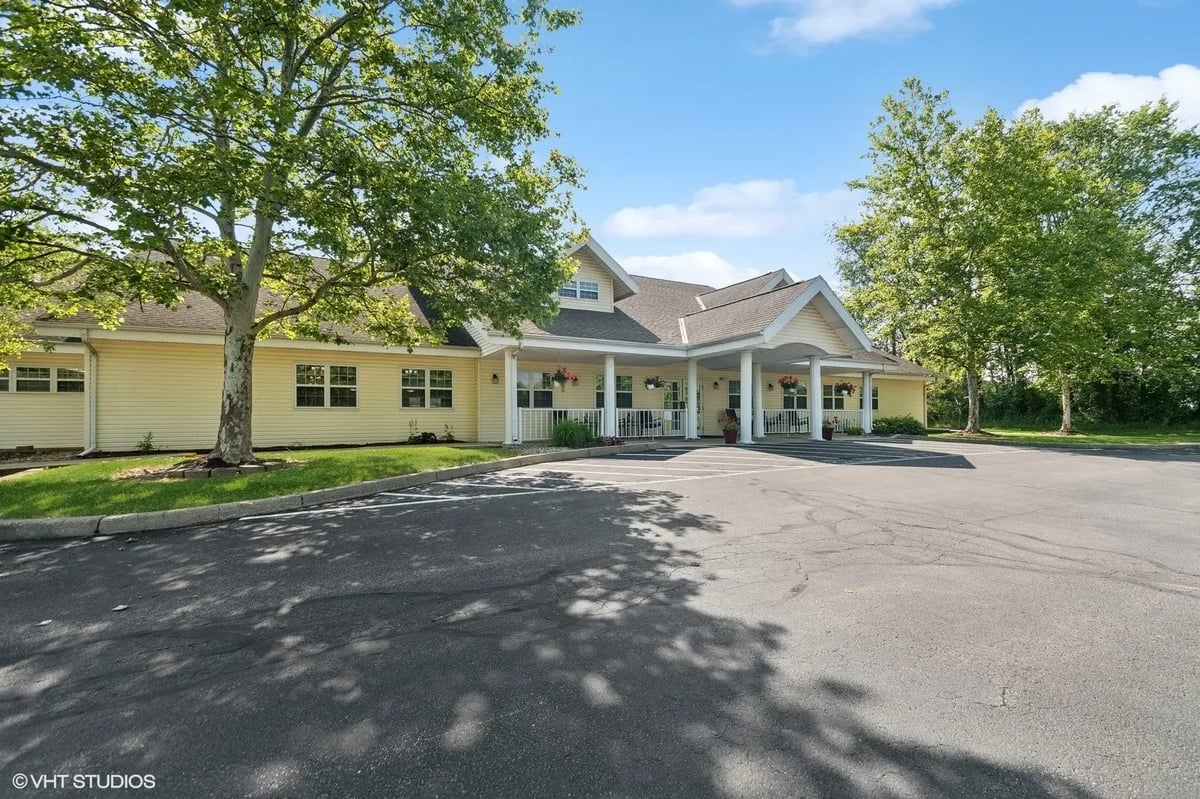
- At Chandler Place in Kendallville, IN, a full-time nurse coordinates care, and the smaller community size helps residents and team members truly know one another.
- When you tour, ask about nighttime staffing, call system response times, and how team members handle emergencies.
Families often start with one question: what is 24-hour care in assisted living? The phrase shows up on nearly every community website, but what it looks like at 2 a.m. can differ from one place to the next. Knowing what round the clock senior care actually involves helps you choose the setting that fits your loved one best.
Understanding Around-the-Clock Availability
In communities that offer 24-hour supervision in assisted living, like our Assisted Living community in Kendallville, IN, trained team members are on-site at all times. That doesn’t mean someone stands outside every apartment door. It means help is close by whenever it’s needed, and team members make regular wellness checks, especially overnight. Many families find that simply knowing a team member is nearby day and night brings real peace of mind.
Staffing usually includes dedicated teams for daytime programs, evening support, and overnight hours. Nighttime care in senior communities often means team members walking the hallways, answering call systems, and helping with things like a trip to the restroom or a medication reminder.
What Assisted Living Overnight Care Includes
Assisted living overnight care centers on safety, comfort, and a quick response to the unexpected. Team members can help with:
- Getting to the restroom safely when a resident wakes during the night
- Repositioning for comfort
- Addressing concerns that come up after dark
- Answering call system requests at any hour
That way, no one has to wait until morning for help with something urgent. Some residents need more frequent nighttime assistance, and a community can adjust support as those needs change.
Exploring the Difference Between 24-Hour Care Levels
Understanding the difference between 24-hour care levels matters when you’re matching services to a loved one’s needs. Overnight support varies by community type:
- Independent living communities may have security staff or emergency response systems overnight, but typically don’t provide hands-on help
- Assisted living communities have team members on-site to help with daily needs at any hour
- Memory care neighborhoods offer higher staff-to-resident ratios and training focused on cognitive changes
- Skilled nursing settings provide the most intensive health services, with licensed nurses on duty around the clock
The Benefits of Having Help Close By
Many older adults feel more secure knowing help is a call away. Families appreciate knowing someone can respond right away after a fall, a sudden illness, or a moment of disorientation in the night. That same reassurance can make evenings feel calmer for everyone.
Beyond emergencies, round-the-clock staffing supports steady routines. Medication schedules don’t always line up with daytime hours, and some residents need a reminder for an evening or early morning dose. Team members who see residents day after day also notice small changes in health or mood and can share them with the family and nurse.
How Staffing Models Support Quality Care
Every community staffs a little differently. Days bring larger teams for programs, dining, and scheduled assistance, while evenings and overnight shifts are smaller and focused on safety checks and quick response. At Chandler Place, a full-time nurse coordinates care, and team members learn each resident’s routines and preferences. The community’s smaller size helps, since everyone truly gets to know one another. That means nighttime support looks different from one person to the next, and it stays steady for everyone.
Making the Right Choice for Your Family
Think about where your loved one is today and what may change. Residents who feel disoriented at night, have trouble getting around, or need help with personal tasks often do well with this level of support.
When you visit communities, ask about nighttime staffing, how quickly call systems get answered, and how team members handle emergencies. Those answers make it much easier to compare options and find the right match. Our guide for caregivers on balancing family life can also help you think it through.
Come See Chandler Place for Yourself
Knowing what 24-hour support really looks like helps you choose a place where your loved one feels safe, comfortable, and respected. The best way to see it is in person, from the courtyard to the dining room. When you’re ready to meet the team, schedule a tour today.